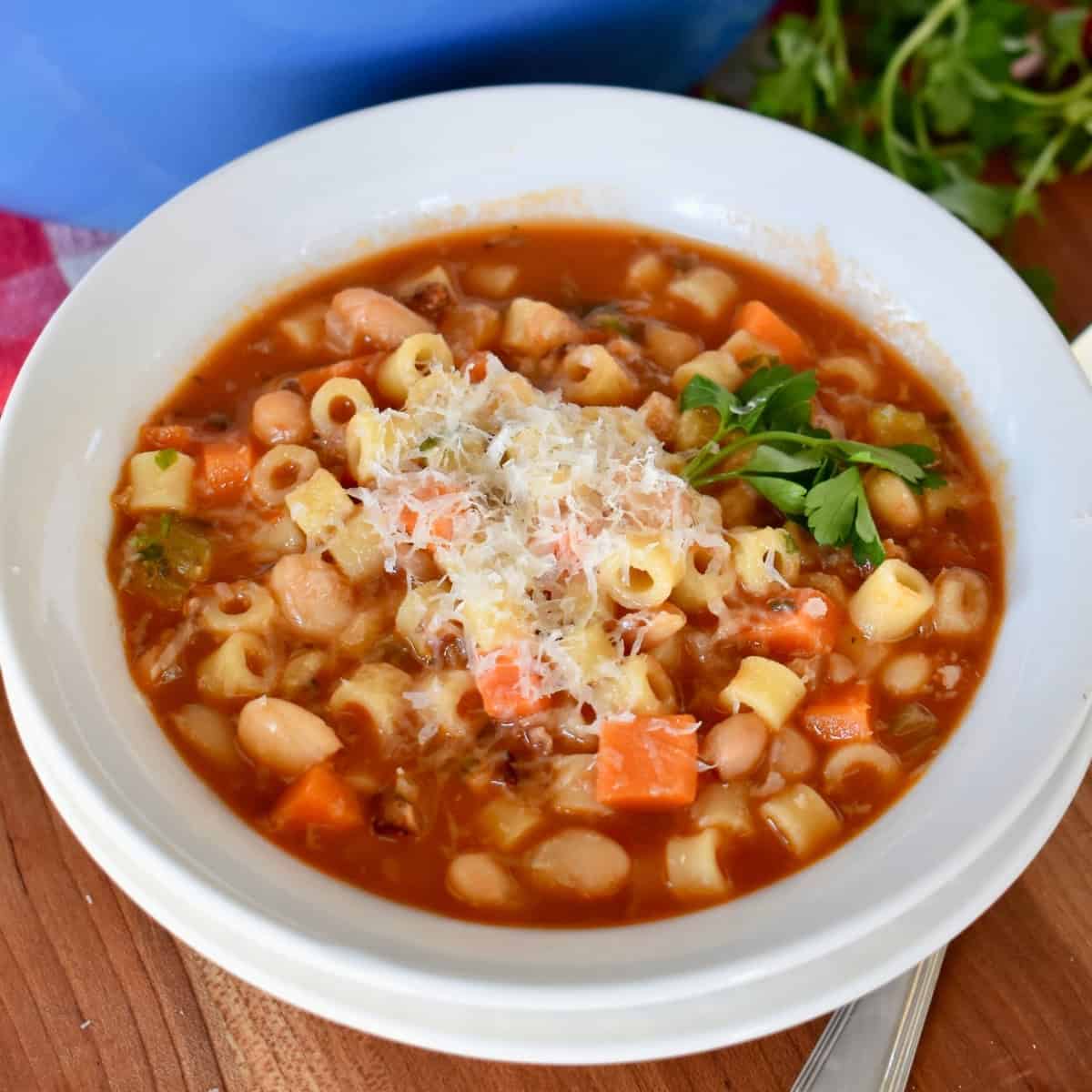
Pasta Fagioli Unveiled: Decoding the Authentic Italian Classic
The evocative aroma of a simmering pot can instantly transport you, conjuring vivid memories of warmth, family, and simpler times. For many, that scent is the rich, hearty fragrance of
pasta fagioli – a dish so deeply ingrained in Italian culture it feels like a comforting hug from generations past. Imagine steam gently clouding kitchen windows, the gentle bubble of a tomato-infused broth, and the promise of a meal that nourishes both body and soul. This isn't just a soup; it's a culinary embrace, a taste of heritage passed down through countless Italian kitchens, embodying the very spirit of rustic Italian cooking.
What Exactly is Pasta Fagioli? A Culinary Definition
At its heart,
pasta fagioli literally translates from Italian as "pasta and beans." This simple, yet profoundly flavorful, combination forms the backbone of one of Italy's most beloved and enduring dishes. Often pronounced "pasta fazool" in some Italian-American dialects, its name directly reflects its core ingredients. Traditionally, this soup utilizes small pasta shapes, with
ditalini being the most iconic choice, perfectly sized to mingle with the beans and broth in every spoonful.
Originally conceived as a "peasant dish,"
pasta fagioli emerged from necessity and ingenuity. In times when meat was a luxury, beans and pasta were staples readily available to most Italian households. Combined with a few garden-fresh vegetables, these humble ingredients transformed into a remarkably satisfying and nutritious meal. Its origins speak to its enduring appeal: a dish that proves incredible flavor doesn't require extravagant components, just good quality and a touch of passion. While its fame has spread globally, its roots remain firmly planted in the frugal, resourceful kitchens of Italy.
The Heart of Authenticity: Principles, Not Prescriptions
One of the beautiful paradoxes of
authentic pasta fagioli is that there isn't one single, immutable recipe. Instead, its authenticity lies in adhering to a set of fundamental principles that honor its rustic heritage. This flexibility allows for regional variations and family secrets, while still maintaining the dish's core identity.
Here are the guiding principles that define a truly traditional pasta fagioli:
- The Central Role of Beans: True to its name, beans are paramount. While many varieties can be used, traditional Italian preparations often favor white beans like cannellini beans or borlotti. These offer a creamy texture and mild flavor that perfectly complement the other ingredients, creating a substantial and wholesome base.
- Building the Broth from Scratch: A defining characteristic of a classic pasta fagioli is the rich, flavorful broth. This isn't just about pouring in store-bought stock; it's about building flavor from the ground up. This typically begins with a soffritto – a fragrant sauté of staple vegetables such as onions, carrots, and celery. This aromatic base is crucial for developing the depth of flavor that distinguishes an authentic rendition. While homemade chicken broth can certainly be used, many traditionalists prefer to build this flavor directly within the soup pot.
- The Right Pasta Proportion and Shape: While ditalini is the star, other small pasta shapes like elbow macaroni, tubettini, or even broken spaghetti can be employed. The key is that the pasta should complement, not overwhelm, the beans and broth. The ratio of pasta to beans is also important; it should be a harmonious blend, not just pasta with a few beans thrown in.
- Distinguishing from Similar Soups: It’s easy to confuse pasta fagioli with minestrone or Tuscan bean soup, given their shared Italian heritage and some overlapping ingredients. However, a traditional pasta fagioli is distinctly bean-centric, often less focused on a multitude of vegetables compared to minestrone. While vegetables are present in the soffritto, the stars are unequivocally the pasta and beans. Making too many departures from this core can indeed shift the dish into another category altogether.
- Meat or No Meat? Historically, pasta fagioli was often a meatless affair, a testament to its peasant origins. However, many modern and regional variations incorporate a small amount of cured pork, such as pancetta or prosciutto, sautéed with the soffritto to add a layer of smoky, savory richness. This is an enhancement, not a requirement, but certainly adds to the complexity of flavor.
Crafting Your Own Authentic Pasta Fagioli: Tips for Success
Bringing the authentic taste of
pasta fagioli to your own kitchen is a rewarding experience. While the idea of creating a complex Italian dish might seem daunting, it's surprisingly accessible, especially with a few smart shortcuts.
*
Beans – Dried vs. Canned: Traditionally, dried beans were soaked overnight and cooked for hours. However, modern Italian kitchens, just like home cooks worldwide, frequently opt for
canned cannellini beans. This dramatically reduces cooking time from hours to a mere 45 minutes, making this hearty soup achievable on a weeknight. If using canned, rinse them thoroughly before adding to remove excess sodium and improve their texture.
*
Building the Flavor Foundation: Don't rush the
soffritto! Sautéing your finely diced onions, carrots, and celery in good quality olive oil until they are softened and fragrant (about 5-7 minutes) is crucial. This step unlocks their sweetness and forms the fundamental flavor profile of your soup. Adding minced garlic towards the end of this stage, and cooking for just a minute until fragrant, further enhances the aroma and taste.
*
Tomato's Touch: While some versions are broth-based, many beloved recipes incorporate tomatoes for a richer, tangier profile. Crushed tomatoes, tomato paste, or even passata can be used. A dollop of tomato paste added after the soffritto and cooked for a minute or two until it darkens slightly, helps deepen the umami flavor.
*
Broth and Simmering: Once your flavor base is established, add your beans, tomatoes, and enough quality vegetable or chicken broth to achieve your desired consistency. For a thicker, more robust soup, you might blend a portion of the beans with a little broth before adding them back to the pot, or simply mash some with the back of a spoon during simmering. Allow the soup to simmer gently for at least 20-30 minutes, uncovered, to let the flavors meld beautifully.
*
Pasta Perfection: Add the ditalini (or your chosen small pasta) directly to the simmering soup during the last 10-12 minutes of cooking. This allows the pasta to cook *al dente* directly in the flavorful broth, absorbing its essence. Keep an eye on the consistency; the pasta will absorb liquid, so you might need to add a splash more broth or water if it becomes too thick.
*
Seasoning and Finishing Touches: Season generously with salt and freshly ground black pepper. Fresh herbs like rosemary, thyme, or a bay leaf added during simmering, and fresh parsley stirred in at the end, can elevate the aroma significantly. A final drizzle of high-quality extra virgin olive oil and a grating of Pecorino Romano or Parmesan cheese before serving are non-negotiable for an authentic experience.
*
Quick Adaptations: For those looking for a quicker approach without sacrificing authenticity, explore our guide on
Minute Pasta Fagioli: Quick, Easy, and Authentic Italian Soup, which offers fantastic strategies for busy weeknights.
Beyond the Bowl: The Cultural Significance of Pasta Fagioli
More than just a delicious meal,
pasta fagioli holds a significant place in the fabric of Italian family life and culture. It's the ultimate comfort food, deeply intertwined with memories of home, family gatherings, and the nurturing care of a Nonna. Its simplicity belies its profound ability to bring people together, offering warmth and sustenance in every spoonful.
This dish represents the timeless Italian philosophy of transforming humble ingredients into something extraordinary through care and respect for tradition. It’s a testament to resilience, a reminder that even in leaner times, flavor and nourishment can always be found. From its origins as a thrifty peasant staple,
pasta fagioli has evolved into a beloved classic gracing tables in homes and trattorias alike, celebrated for its rich history and undeniable taste. To dive deeper into this culinary legacy and bring it into your own kitchen, read about
Nonna's Comfort: Recreating Authentic Pasta Fagioli at Home.
In conclusion,
pasta fagioli is far more than just "pasta and beans." It’s a delicious narrative of Italian heritage, a warm embrace of flavors built on simple principles, and a testament to the enduring power of home cooking. Whether you opt for a quick weeknight version or a slow-simmered Sunday feast, embracing the core elements of this Italian classic will yield a bowl of comforting, authentic goodness that truly warms the soul. So, gather your ingredients, follow these guiding principles, and prepare to unveil the magic of this timeless Italian treasure in your own kitchen.