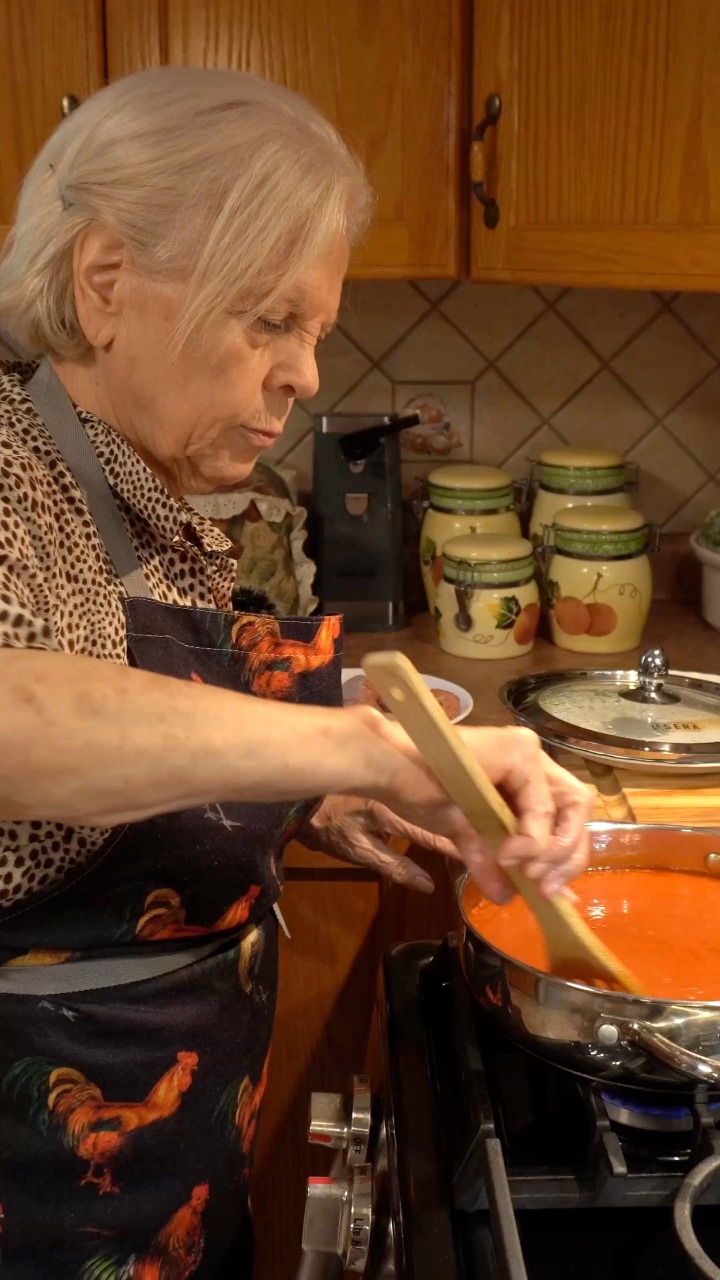
Nonna's Comfort: Recreating Authentic Pasta Fagioli at Home
There are some aromas that instantly transport you, weaving a tapestry of memories around your heart. For many, the rich, savory scent of pasta fagioli simmering on the stove is exactly that – a direct portal back to Nonna's kitchen, to a time of warmth, love, and uncomplicated deliciousness. You can almost see the steam gently clouding the windows, feel the anticipation as a massive pot of magic bubbled away. That first spoonful, a subtle explosion of flavor, was pure comfort, often accompanied by Nonna's playful swat on the hand as you tried to sneak another taste. This isn't just a recipe; it's a culinary embrace of heritage, a timeless dish that continues to bring joy and sustenance across generations. And the good news? Recreating that authentic taste at home is more accessible than you might think.
The Heartwarming Heritage of Pasta Fagioli: More Than Just a Soup
Often affectionately known as "pasta fazool" in some Italian-American communities, pasta e fagioli literally translates to "pasta and beans." This humble name belies a dish of profound cultural significance. Originating as a peasant staple, this hearty Italian bean soup was born out of necessity and ingenuity. Italian families, often with limited resources, made the most of what they had on hand: dried beans, simple pasta shapes, and a few fresh vegetables from the garden like onions, carrots, and celery. It was a dish that provided satisfying sustenance, packed with protein and carbohydrates, without requiring expensive ingredients.
Despite its humble beginnings, pasta fagioli transcended social strata, becoming a beloved comfort food enjoyed throughout Italy and in Italian kitchens worldwide. Its enduring popularity stems from its incredible flavor, nutritional value, and the deep sense of tradition it embodies. While countless variations exist across Italy's diverse regions – some thicker, some brothier, some with a tomato base, others clear – the essence remains the same: a celebration of beans and pasta, harmoniously combined into a warming, nourishing meal.
Unpacking the "Authenticity": Core Principles, Not Rigid Rules
The beauty and occasional frustration of traditional Italian cooking lie in its lack of a single, definitive "authentic" recipe. Pasta fagioli is a prime example. Ask ten Italian grandmothers for their recipe, and you'll likely get ten slightly different versions, each proudly declared "the best." However, beneath these variations lie fundamental principles that define what makes a dish truly pasta fagioli, distinguishing it from other Italian soups like minestrone or Tuscan bean soup.
- The Bean Base: The cornerstone of pasta fagioli is the bean. Traditionally, white beans like cannellini are preferred for their creamy texture and mild flavor, though borlotti beans are also common in some regions. These beans provide the dish's body, protein, and earthy depth.
- Small Pasta Shapes: The name itself, "pasta and beans," emphasizes the equal partnership. Small pasta shapes, most commonly ditalini (meaning "little thimbles"), are crucial. They integrate seamlessly into the soup without overwhelming the beans, allowing both elements to shine. Other small pasta varieties like elbow macaroni or tubetti can also be used.
- The Soffritto Foundation: Like many great Italian dishes, pasta fagioli begins with a soffritto – a fragrant base of finely diced onions, carrots, and celery sautéed in olive oil. This aromatic trio slowly caramelizes, creating a rich, sweet, and savory foundation that builds the soup's complex flavor profile from the ground up. This process is key to developing a deep, homemade broth, even if you're using shortcuts.
- Broth Development: The best pasta fagioli boasts a flavorful broth, often created during the cooking process by sautéing the soffritto and sometimes adding a little tomato paste for depth before deglazing and adding water or stock. While some versions are purely brothy, others are thicker, almost stew-like, with some beans mashed to enrich the consistency.
Understanding these principles allows for flexibility while preserving the spirit of the dish. It's about respecting the core ingredients and their harmonious interaction rather than adhering to an immutable, singular recipe.
From Nonna's Pot to Your Kitchen: Modern Shortcuts for Timeless Taste
While the romantic notion of slow-cooking beans from scratch for hours is appealing, modern life often demands efficiency. Thankfully, achieving an authentic-tasting pasta fagioli doesn't require an entire day in the kitchen. Many Italian households, much like our own, have adopted clever shortcuts without sacrificing flavor or tradition.
- Canned Beans: Your Best Friend: The most significant time-saver is undoubtedly canned beans. While traditional recipes might call for soaking and cooking dried beans, using quality canned cannellini or other white beans dramatically reduces cooking time from hours to a mere 45 minutes or so. Simply drain and rinse them thoroughly before adding to your soup base. This simple switch means you can enjoy a hearty bowl of pasta fagioli even on a busy weeknight.
- Broth Options: While creating your own broth by simmering aromatic vegetables and perhaps a Parmesan rind is ideal, a good quality store-bought chicken or vegetable broth can stand in beautifully. The key is to still build a robust flavor base with your soffritto, garlic, and perhaps a touch of tomato paste before adding the broth. This layered approach ensures depth, even with a shortcut stock.
- The Power of Aromatics: Don't skimp on the olive oil, garlic, and herbs. Sautéing your soffritto until deeply golden is crucial. Adding fresh herbs like rosemary and thyme, or a bay leaf, infuses the soup with classic Italian flavors. A pinch of red pepper flakes can also add a delightful, subtle kick.
Embracing these modern adaptations allows you to bring the warmth of Nonna's kitchen to your table with greater ease. If you're looking to dive straight into a faster version, check out our guide on Minute Pasta Fagioli: Quick, Easy, and Authentic Italian Soup for even more quick tips and tricks.
Crafting Your Own Bowl of Comfort: Essential Tips for Success
Now that we've covered the heritage and the smart shortcuts, let's get into the practical steps for creating your own unforgettable bowl of pasta fagioli.
Choosing Your Beans Wisely
While cannellini beans are the traditional gold standard for their creamy texture, don't be afraid to experiment. Great Northern beans or even a mix of white beans can work beautifully. Remember to rinse canned beans well to remove excess sodium and any starchy liquid. For an even creamier soup, consider mashing about a quarter of the cooked beans before adding them back to the pot; this naturally thickens the broth without needing any flour or cornstarch.
The Pasta Predicament: Mastering Ditalini
Ditalini is the star pasta here, but the timing of its addition is crucial. Cooking the pasta directly in the soup means it will absorb a lot of the delicious broth, swell, and potentially become mushy upon reheating. It also releases starch, which can make the soup overly thick. Our tip? Cook the ditalini separately to al dente, then add it to individual bowls just before serving. This ensures perfect pasta texture and prevents your entire pot of soup from turning into a starchy mush overnight. If you prefer to cook it in the soup, add it in the last 10-12 minutes of simmering, and be prepared to add more broth or water when reheating leftovers.
Building the Broth Base: Layering Flavors
- Soffritto First: Start with good quality extra virgin olive oil. Sauté your finely diced onions, carrots, and celery over medium-low heat until they are very soft and translucent, almost sweet – this takes patience, usually 8-10 minutes.
- Garlic and Spice: Add minced garlic and a pinch of red pepper flakes (if using) and cook for just another minute until fragrant. Don't let the garlic burn!
- Tomato Power: A tablespoon or two of tomato paste can add incredible depth. Cook it for a minute or two with the soffritto, allowing it to caramelize slightly before adding liquids. For a richer tomato flavor, you can also add a can of crushed tomatoes, particularly in heartier versions.
- Liquid Gold: Deglaze the pot with a splash of white wine (optional) then add your broth or water. If you have a Parmesan rind, toss it in now to infuse the soup with savory umami as it simmers.
- Seasoning: Don't forget salt and freshly ground black pepper throughout the cooking process. Taste and adjust as you go!
The Secret Ingredient: Time and Love
Even with shortcuts, allowing your pasta fagioli to simmer gently for at least 20-30 minutes after adding the beans helps all the flavors meld beautifully. This "marriage of flavors" is what elevates a good soup to a great one. Serve your pasta fagioli hot, drizzled with a final touch of high-quality extra virgin olive oil, a sprinkle of freshly grated Parmesan cheese, and some fresh parsley. A crusty piece of bread for dipping is, of course, essential.
For a deeper dive into the nuances that define this beloved dish, explore Pasta Fagioli Unveiled: Decoding the Authentic Italian Classic.
Recreating Nonna's comfort in a bowl of pasta fagioli is a journey that blends tradition with practicality. It's a testament to simple ingredients, thoughtful preparation, and the enduring power of food to connect us to our heritage and to each other. Whether you follow a precise family recipe or adapt it with modern shortcuts, the essence of this delightful Italian bean soup remains: a healthy, flavorful, and deeply satisfying dish that offers a warm hug from the past. So gather your ingredients, savor the aromas, and prepare to create your own cherished memories around a pot of authentic pasta fagioli.
